← All writing
The Wall-E paradox
Cranking frictionless up to dystopia
The Wall-E paradox is that it shows an ultimate triumph of “usability”, i.e. zero friction for humans, 100% accommodation, yet it is terrifying in its’ technical perfection of accessible design.
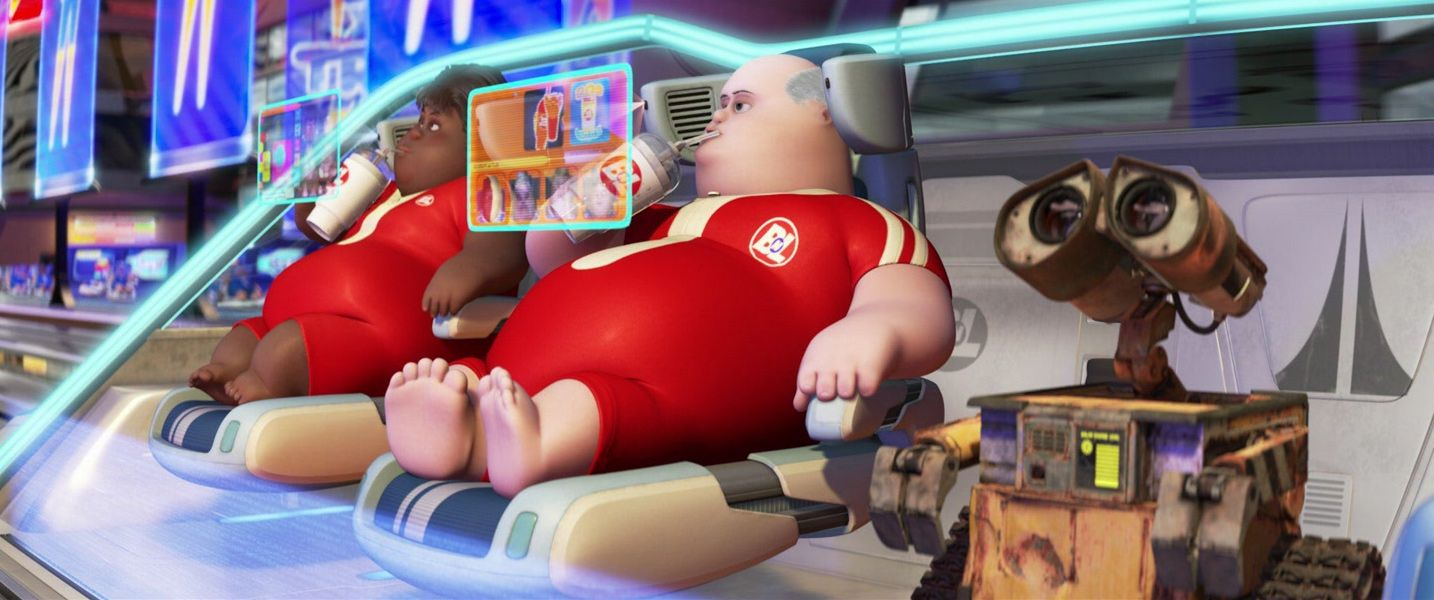
As a designer, I take accessibility as non-negotiable: traffic lights must have standard positions for color blindness; drinking fountains should be reachable by everyone, software should account for different contexts, abilities and conditions (yes, yes, there is a lot of accessibility gaps in software).
But I am starting to wonder about Cognitive/Behavioral accessibility and where the line is:
- If a newspaper simplifies its language to a 5th grade level to be “accessible”, do we lose nuance?
- If an AI agent picks up decisions to remove friction, do we lose agency?
How do we distinguish between removing barriers vs. removing agency?